Brand Identity · Design Support
Feely helped Trip.com develop a European campaign brand system: scalable, reusable guidelines for EU campaigns while still building on the global Trip.com brand.
Trip.com needed a distinctive visual style for its European campaigns: recognizable enough to stand out in the travel market, aligned enough to build on the global brand, and flexible enough to scale across future campaign formats.
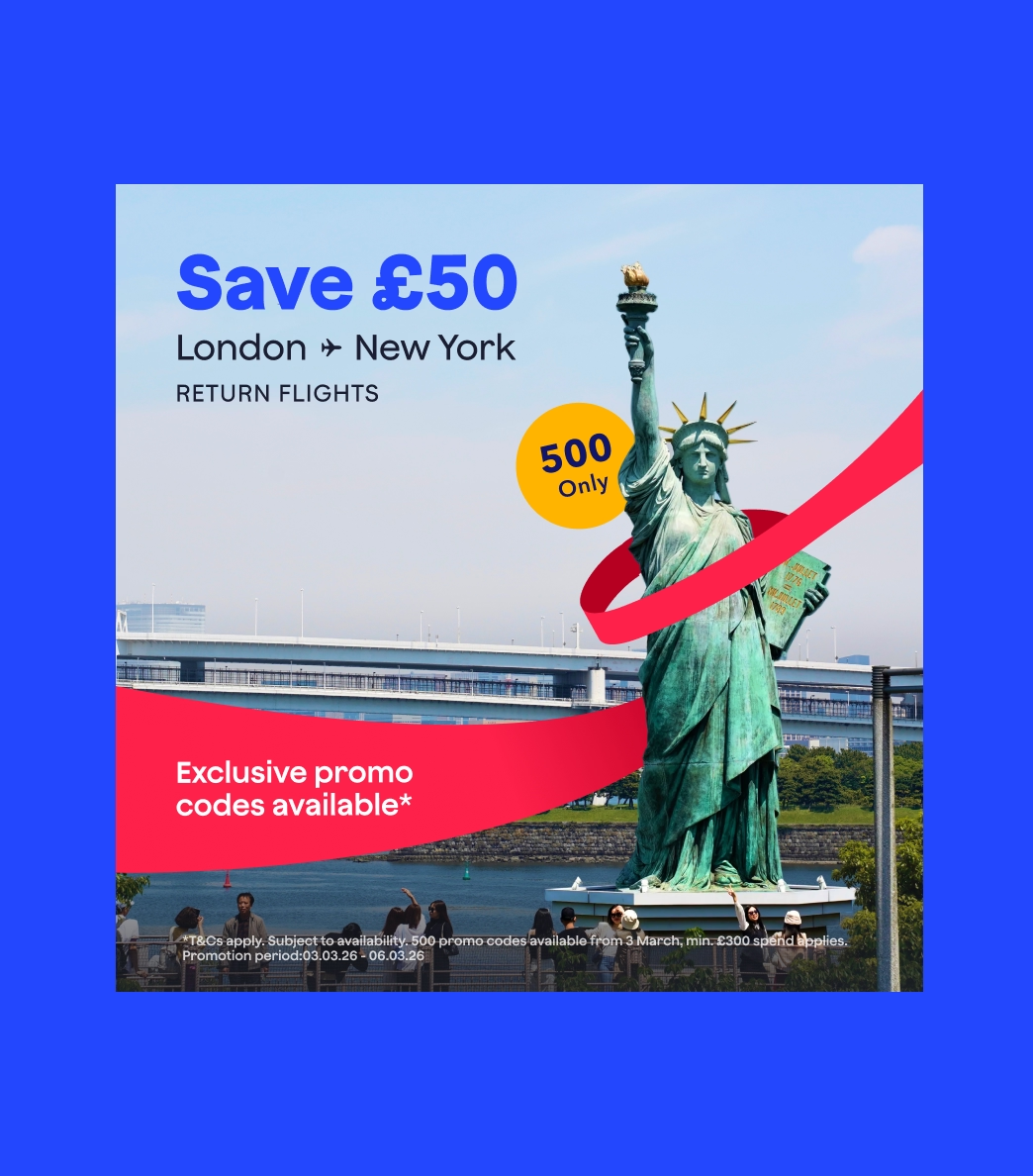
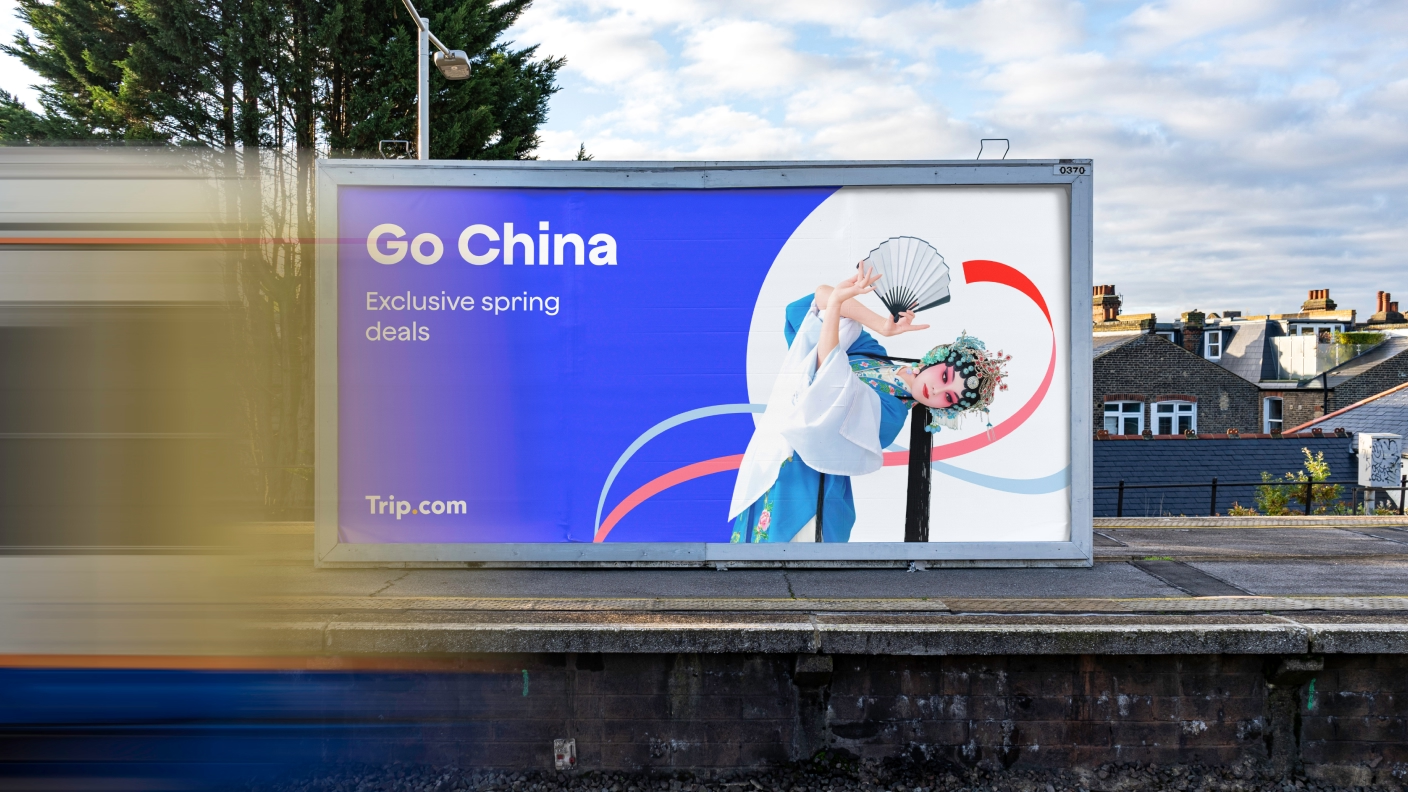
For European audiences, travel is not only about getting somewhere — it is about feeling inspired, breaking from routine, and discovering something new. For us, movement is much more than just physical. You can even be moved to tears by the joyful and meaningful experiences that travel offers.
That idea became the foundation of the concept: Trip.com is what moves you.
Visually, it comes to life through the ribbon. It refers to a pathway, clearly signaling travel, while also reflecting the idea of being moved. Its ever-changing form captures the energy, dynamism, and transformation that Trip.com brings into each journey.
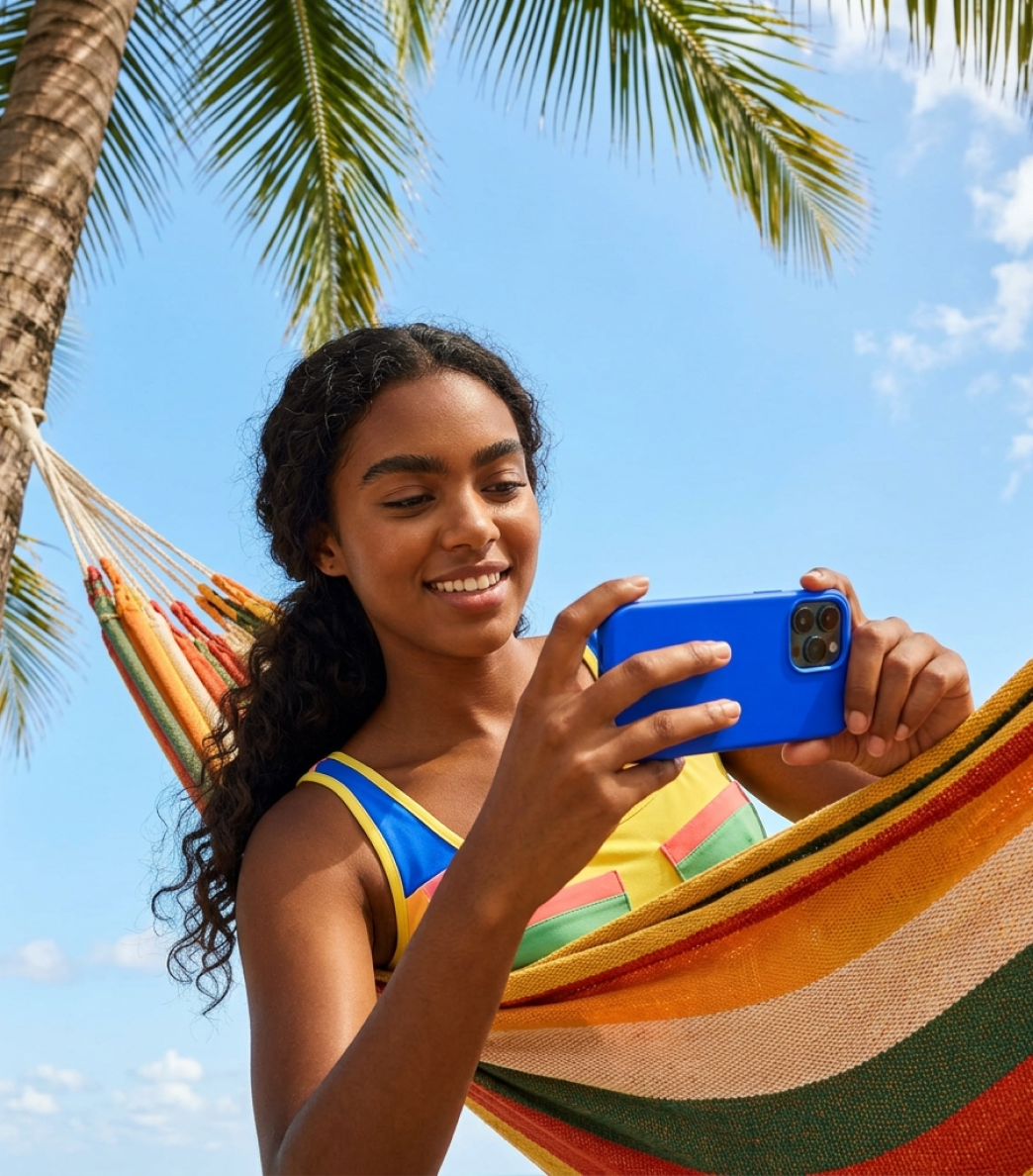
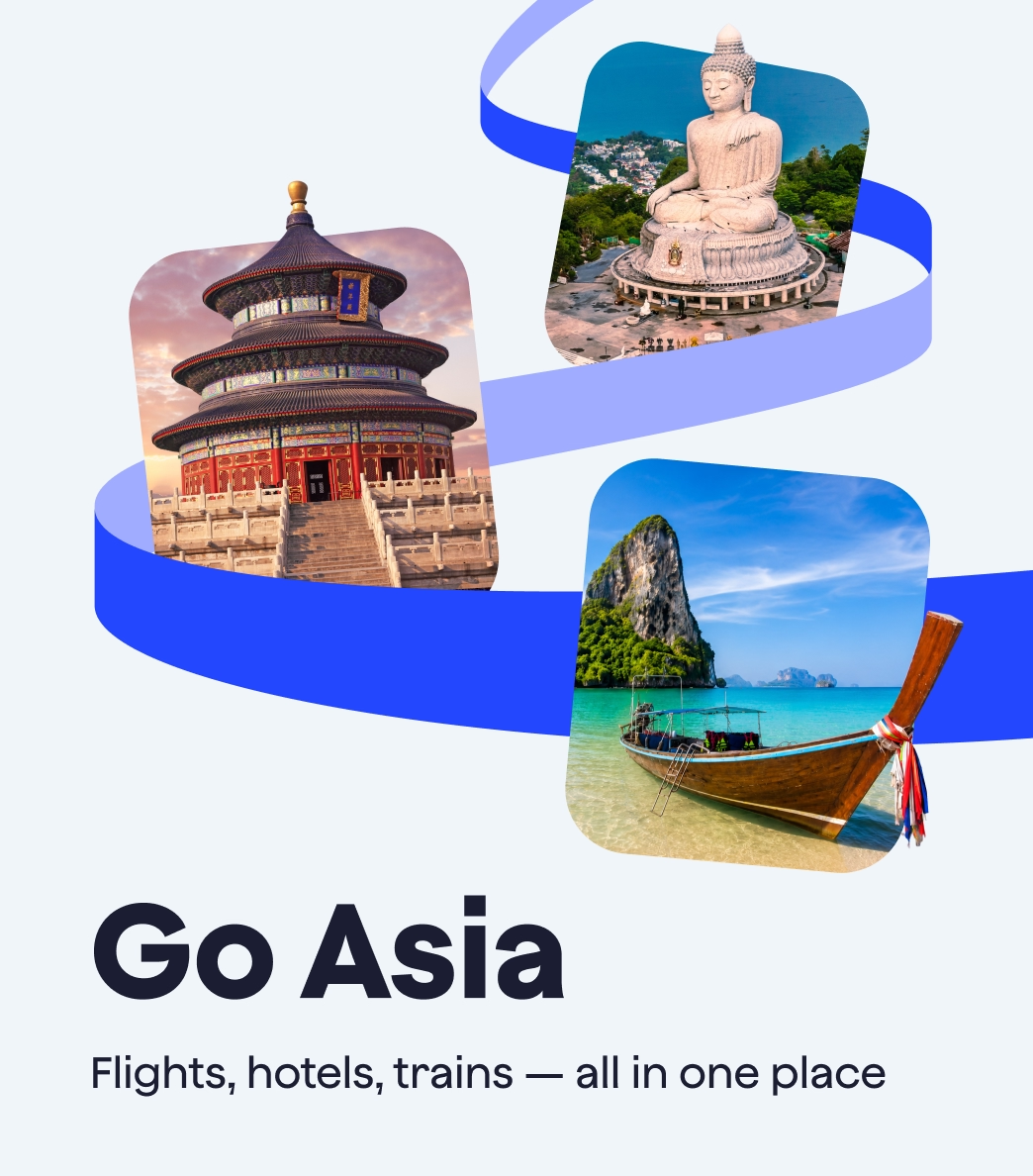
The second key element is the Omni Circle, carried over from Trip.com’s global brand system. In the European campaign language, it works as a symbol of destination — the point Trip.com helps travelers reach — while complementing the movement of the ribbon. It also reflects the brand’s all-encompassing role: wide-ranging services, 24/7 support, and countless experiences to discover.
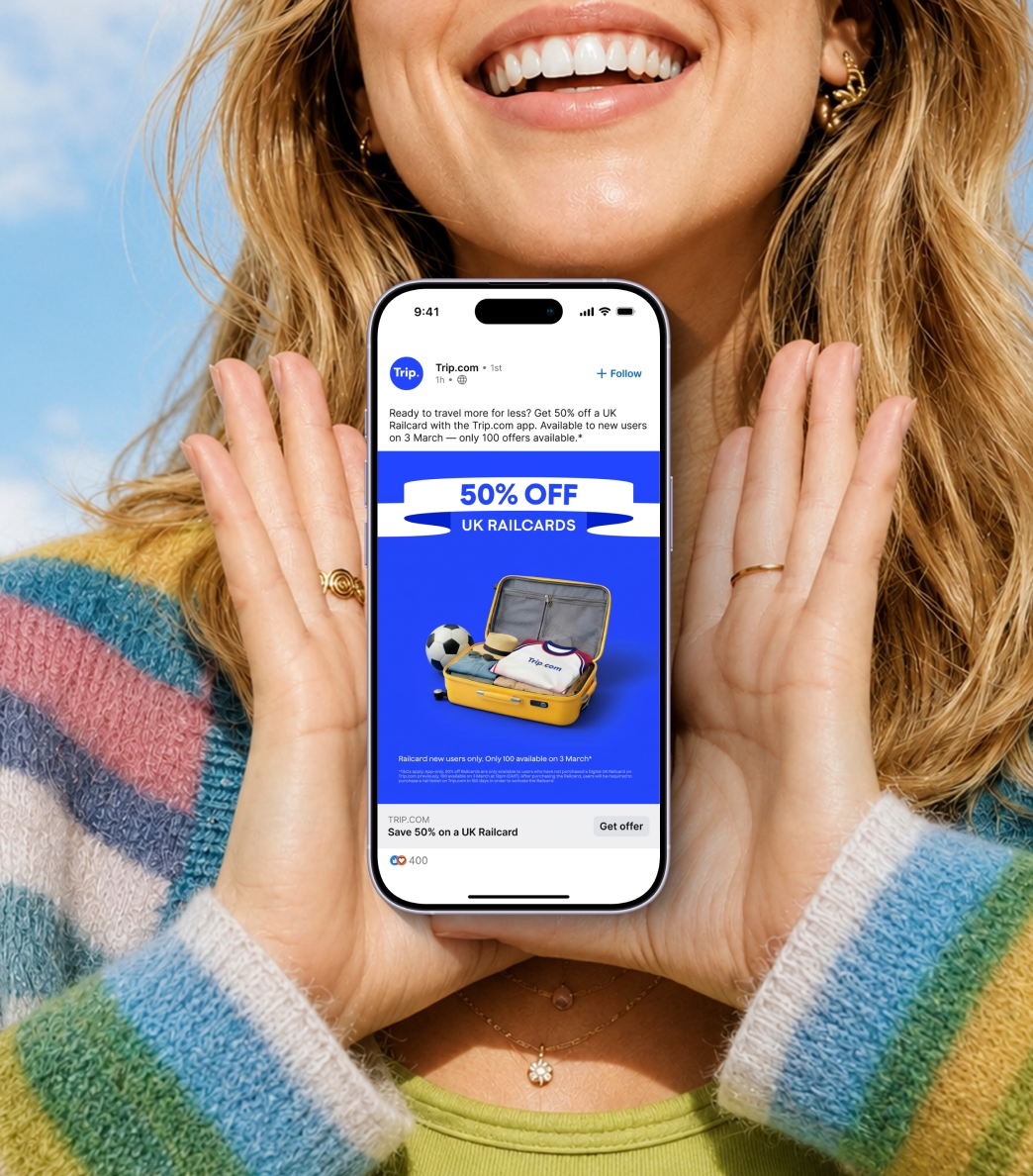
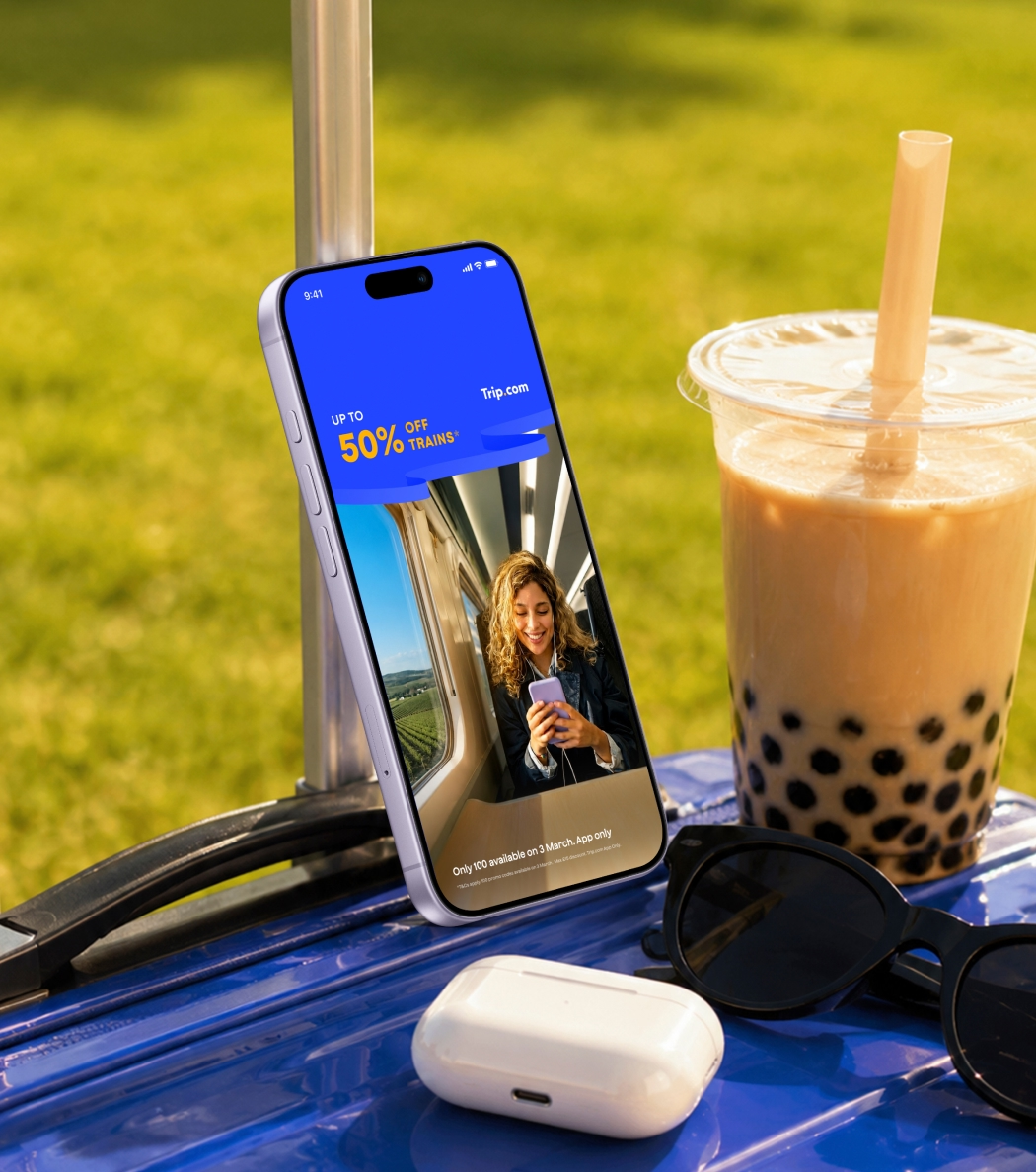
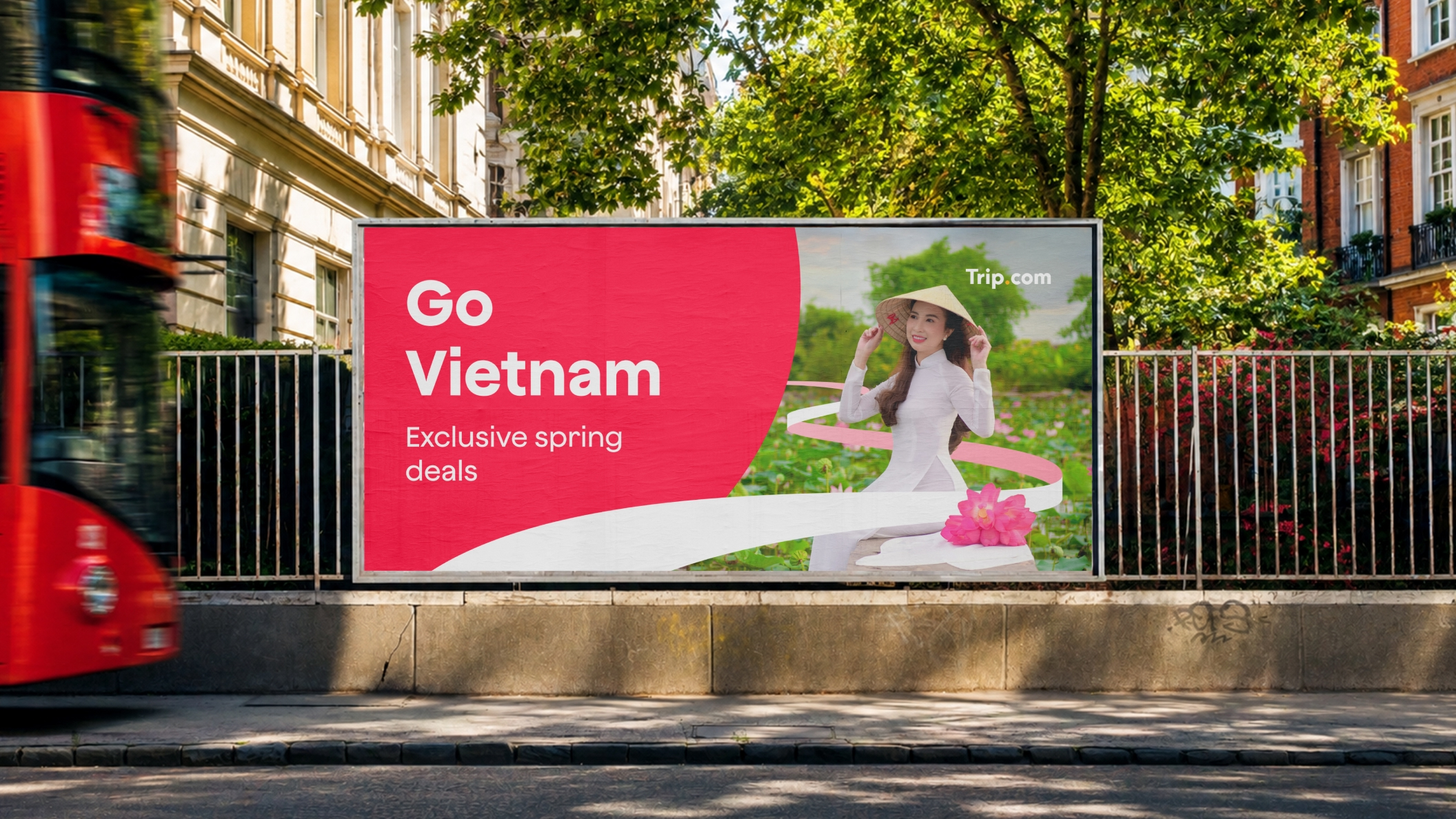
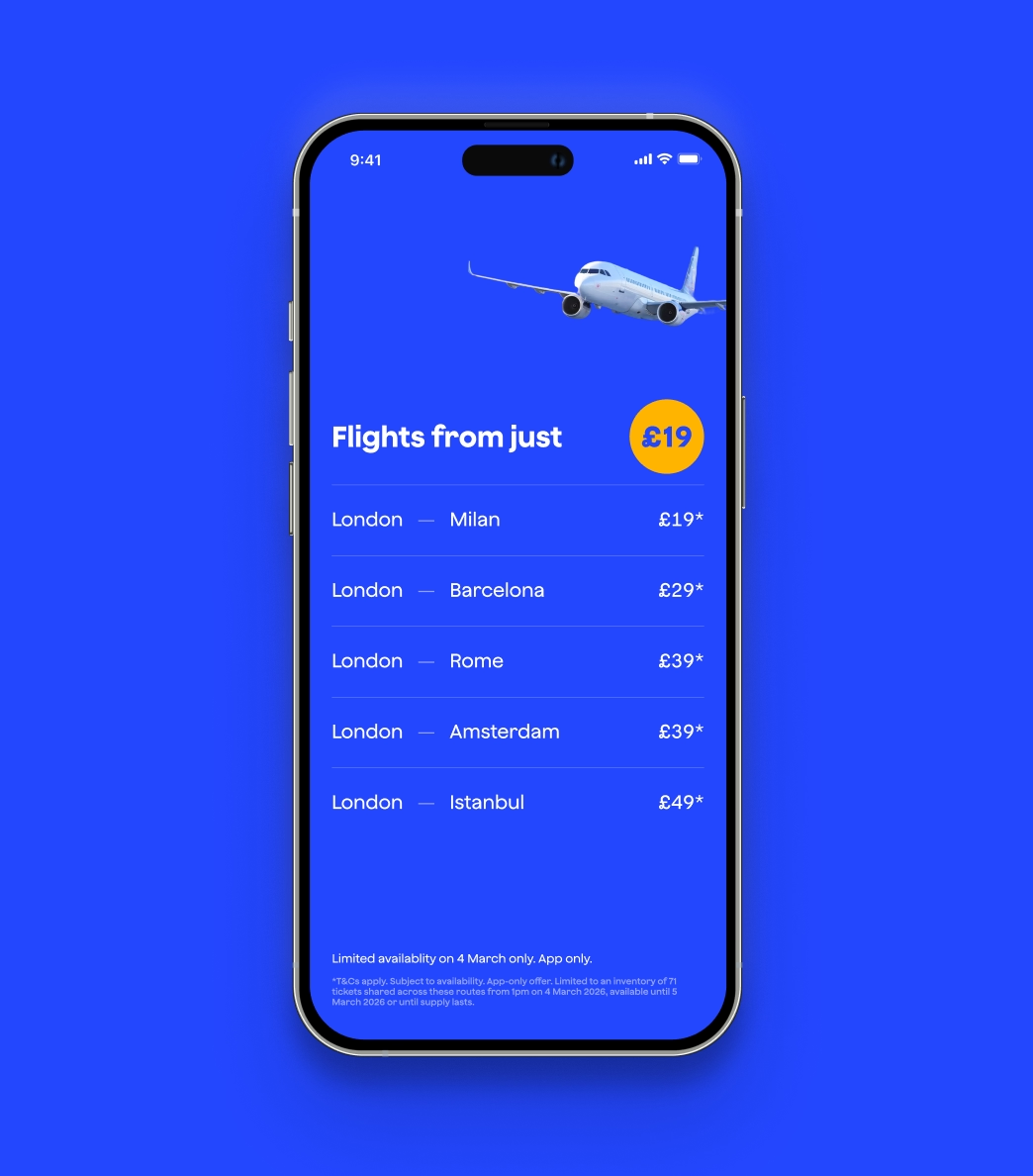
The visual system extends Trip.com’s core brand with a brighter, more energetic palette built for European campaign communication. The palette stays rooted in Trip.com blue, but expands into brighter, more expressive colors that reflect the vibrancy of travel moments — exciting, optimistic, and easy to notice.
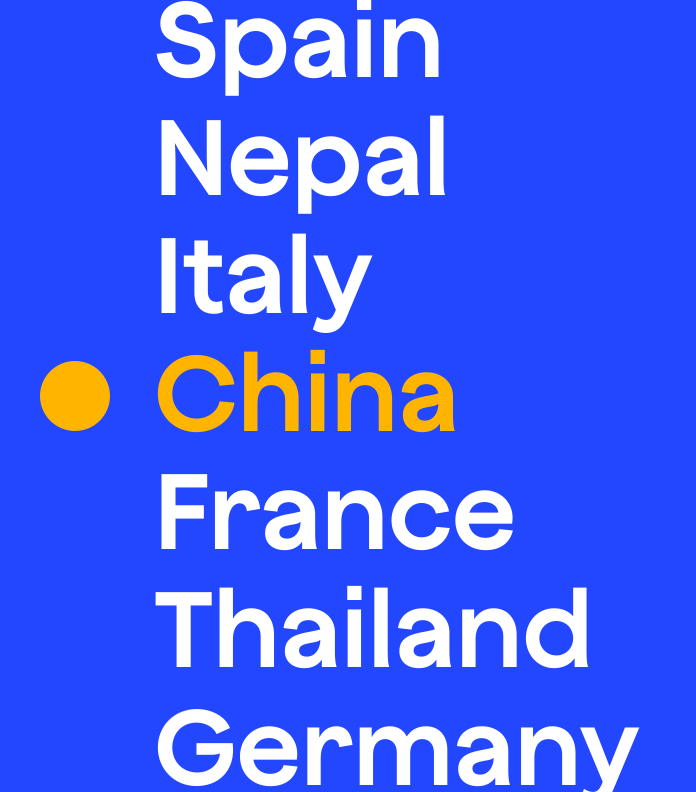
Jokker gives the system its campaign voice: bold, confident, and instantly readable. Its heavier weights make offers, prices, and headlines feel impossible to miss, while its rounded forms keep the tone friendly rather than loud. This helped the campaigns feel commercial, energetic, and still unmistakably Trip.com.
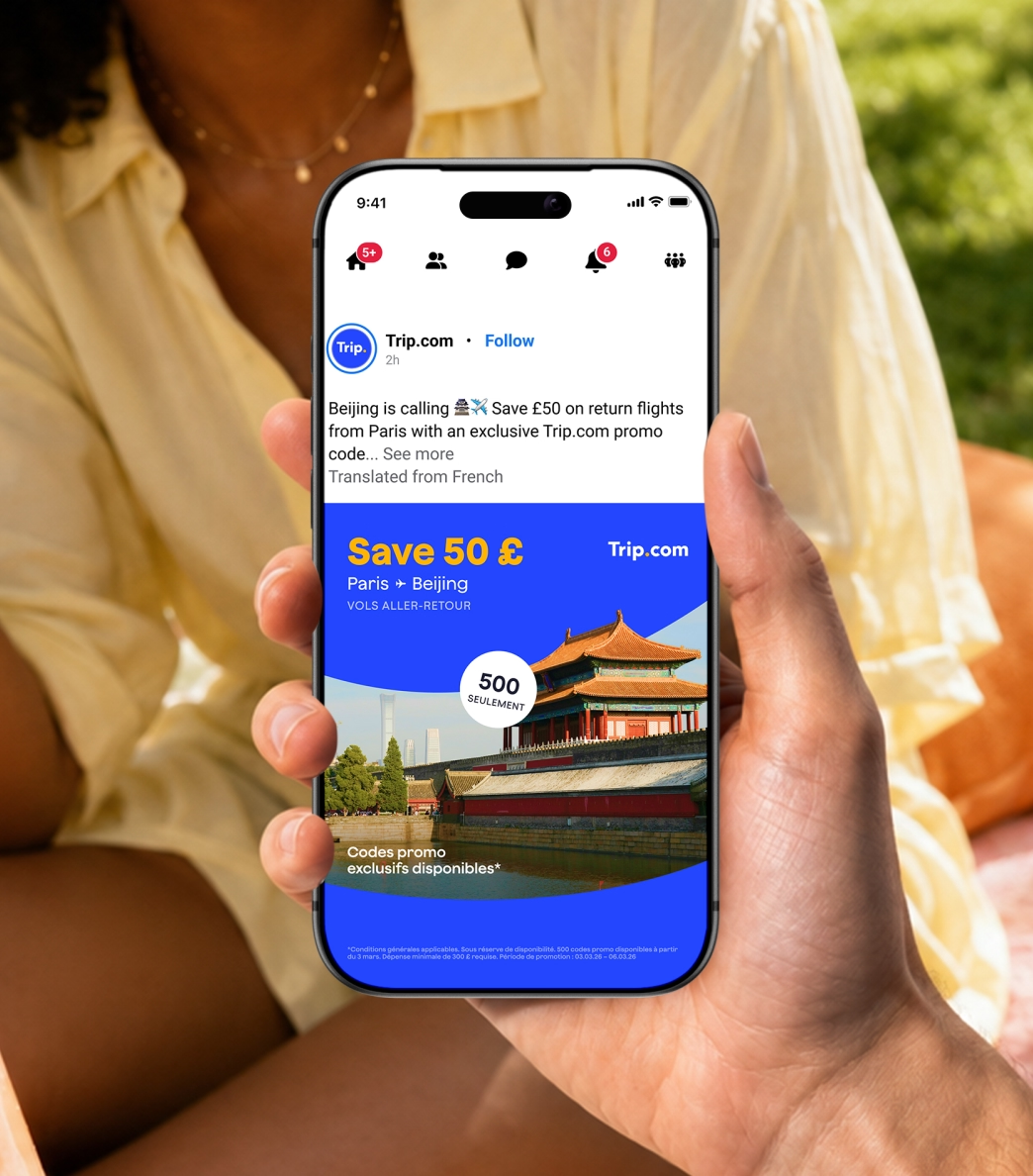
The campaign architecture defines how the system behaves across different types of promotional activity. Instead of applying the same level of expression everywhere, it sets clear rules for when the brand can be more bold, more restrained, or more template-driven.
This helps separate high-impact campaigns from everyday commercial communications — showing how the ribbon, Omni Circle, typography, color, and imagery can flex across different levels of visibility, complexity, and production speed.
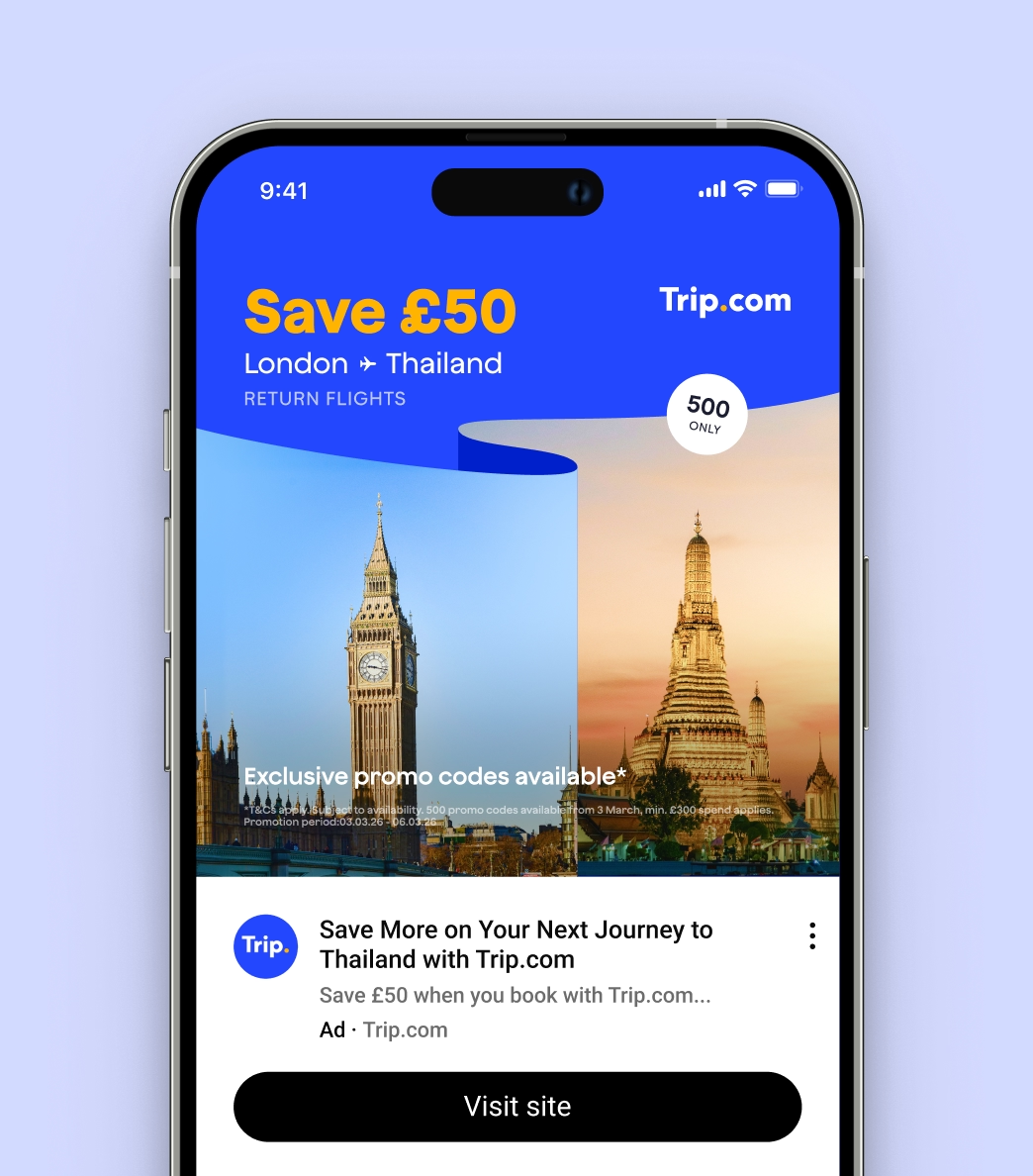
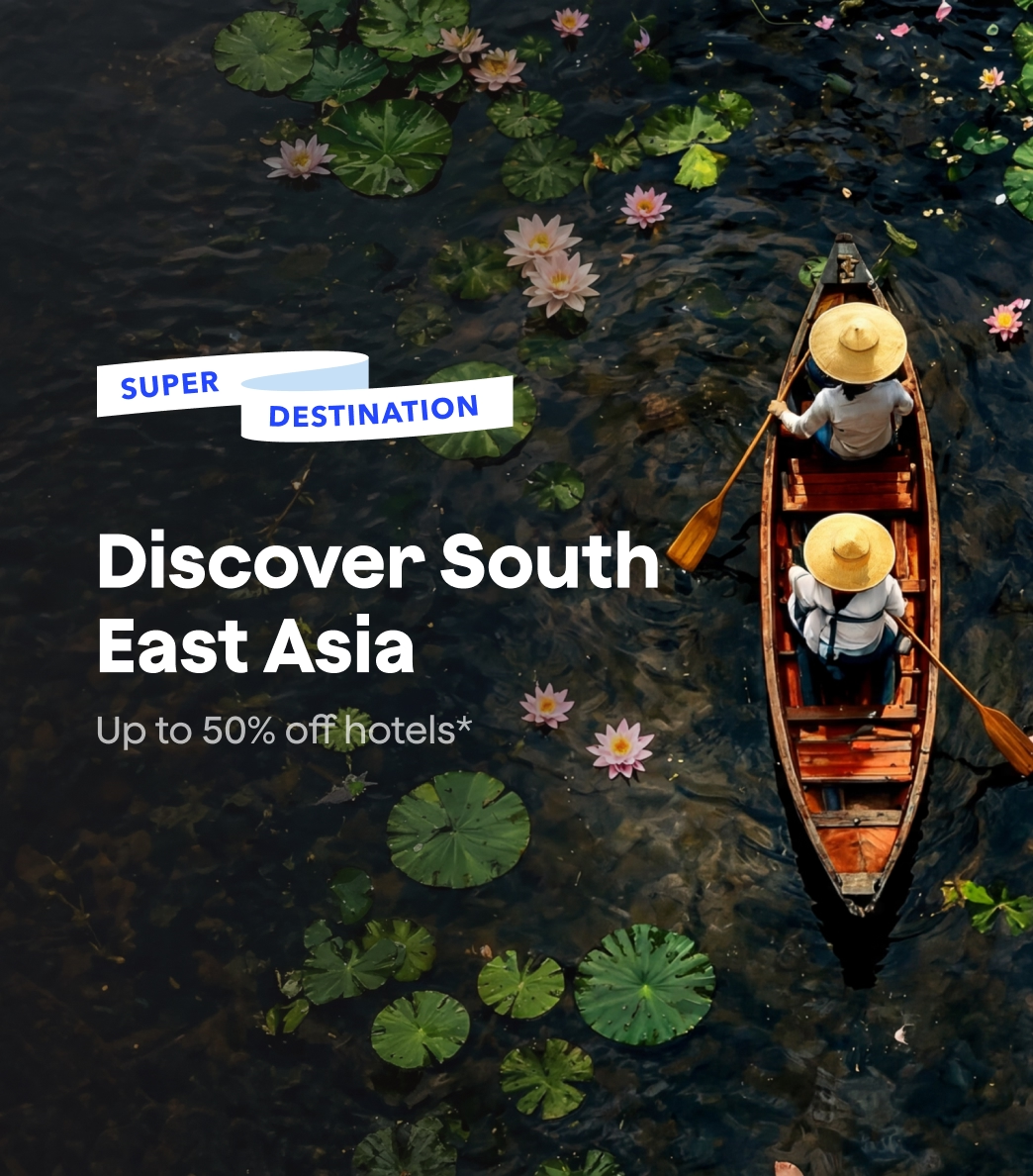
Trip.com produces a large volume of campaign banners, so the system had to be practical for everyday production — not just visually distinctive. We created a flexible Figma template system that makes it easier to scale layouts, adapt them to different languages, and resize them across multiple formats. The templates were built with the latest Figma features, so the internal team could work faster while keeping the new visual language consistent.
We also explored how parts of the production process could be automated through a Figma and Claude workflow, helping the team reduce repetitive manual work and speed up campaign adaptation.
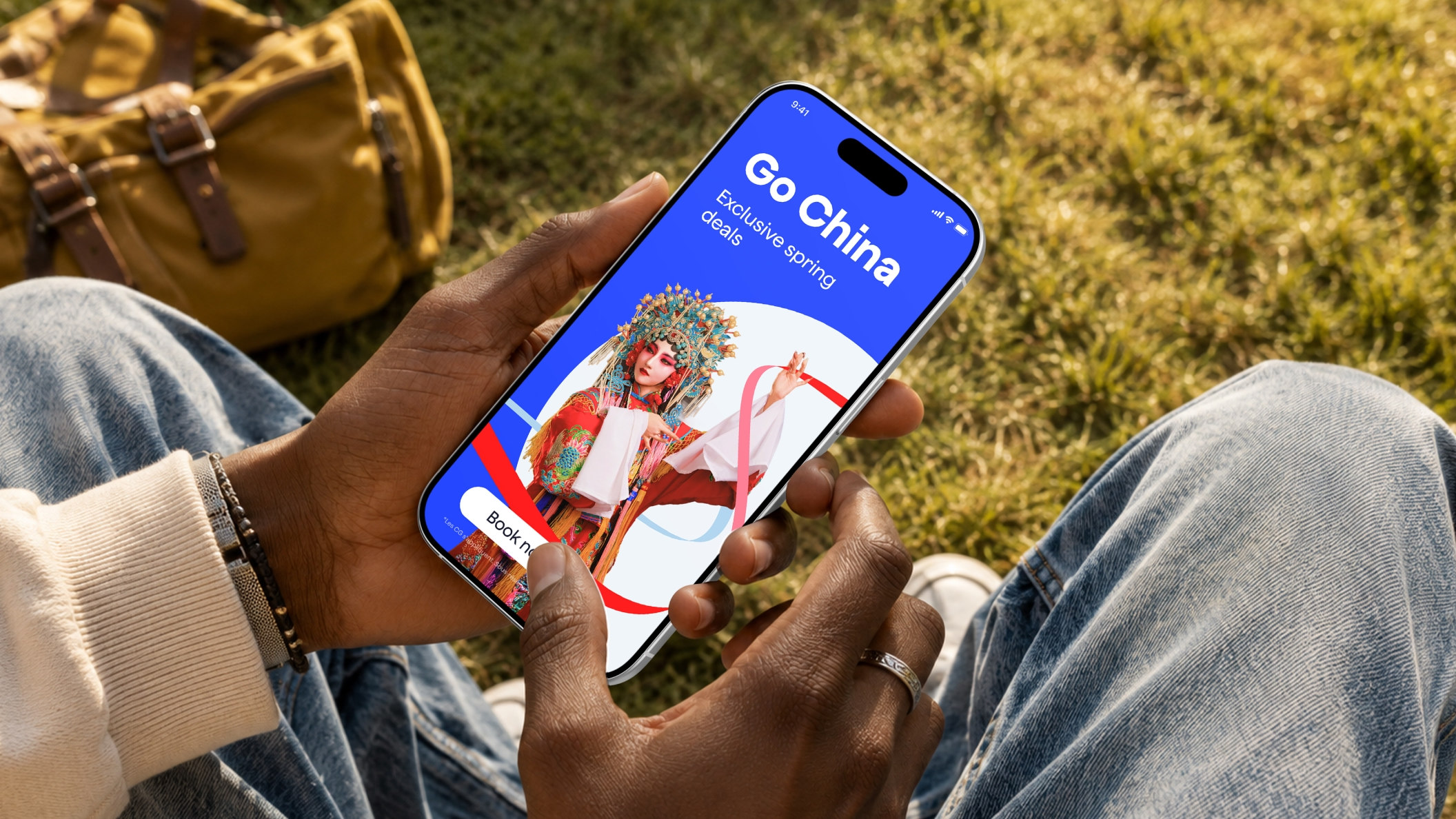
The result is a European campaign system that gives Trip.com both a distinctive creative direction and a practical production framework. It helps the brand show up with more consistency across markets, adapt faster across formats and languages, and keep its campaign communications energetic, recognizable, and easy to evolve.
Feely team
Design: Tim Lebedev
Case design: Tatiana Leontieva
Motion: Margo Yankilevich
Art direction: Anastasia Sycheva
Trip.com team
Yuliia Konotopska, Chinmaya Chaitanya, Samuel Matos
Yuliia Konotopska
Graphic Designer, Trip.com
Feely Studio’s project management was well-organized and collaborative. They were responsive throughout the project, joined regular feedback sessions, and were open to iterations based on our internal feedback. Full Review